
Innovation in QSR – A Balancing Act.
Introduction
This paper summarizes the role, objectives, and challenges of Innovation within the Quick Service Restaurant (QSR) industry. The content is based on a survey and accompanying interviews of several functional leaders in the QSR in Europe.
Role of Innovation
Innovation in Quick Service Restaurants is the engine that balances core operational consistency with market dynamism. It drives customer acquisition through trend-led Limited Time Offers (LTOs), ensures long-term relevance by adapting to evolving consumer preferences, and strengthens competitiveness by leveraging supplier capabilities and cross-industry collaborations. While the core menu provides stability and reliability, innovation creates excitement, builds brand visibility, and enables QSRs to stay ahead in a highly saturated and fast-moving marketplace.
NPD Function
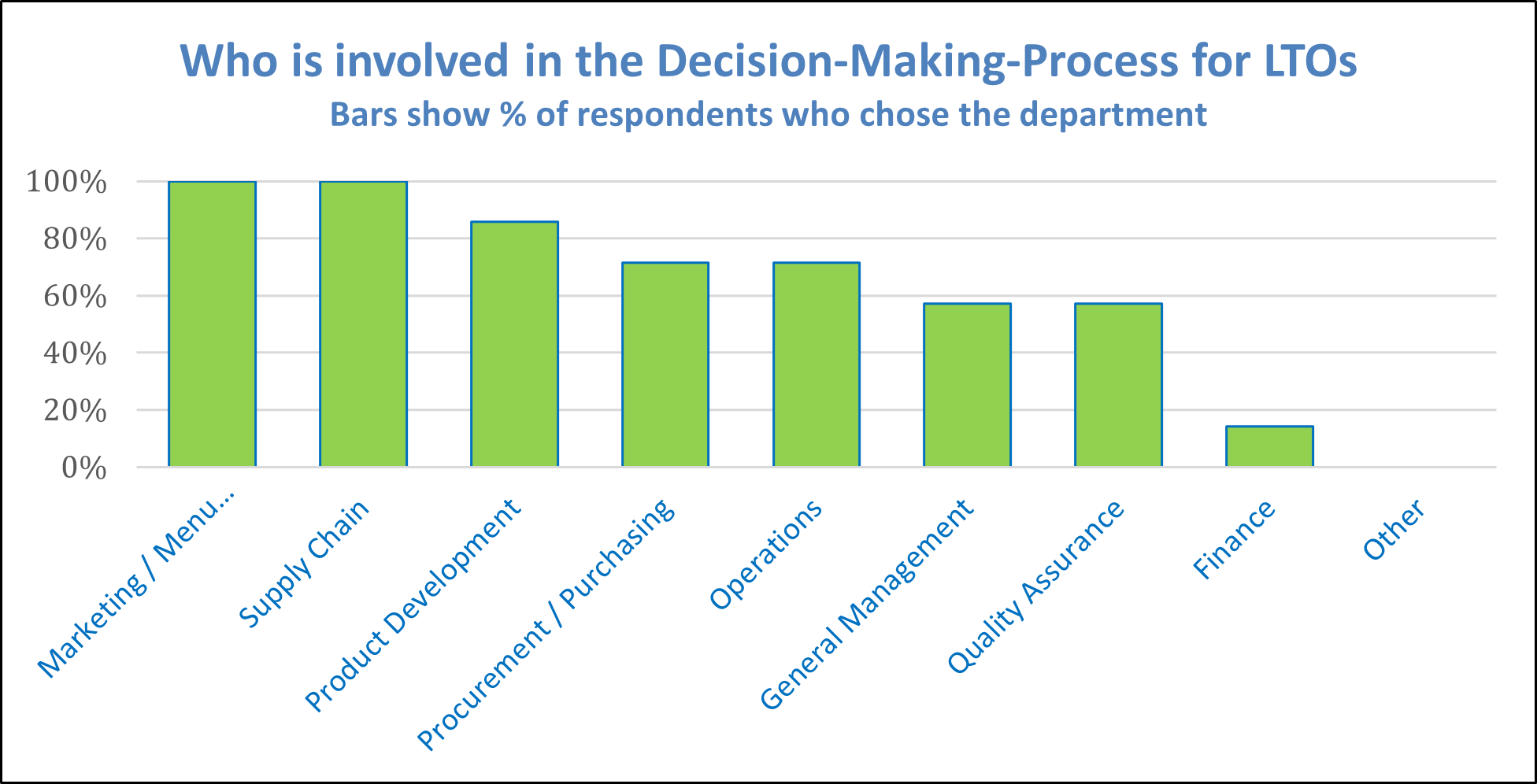
The NPD function oversees product development while collaborating closely with multiple functions. Typically, the role covers managing innovation and product optimization, ensuring alignment with quality assurance (QA), operations, and training, and bridging corporate policies with operational excellence. Although the function formally sits under marketing, its proximity to sales creates challenges, particularly due to the short timelines and the number of stakeholders involved. Decision-making for new product launches and LTOs involves multiple disciplines, first and foremost marketing / menu management and supply chain functions, often also product development, procurement and operational teams, and sometimes even general management. Additionally, Franchisees are informed through committees.
Key Challenges in NPD
The greatest challenge lies in balancing marketing-driven sales demands with realistic innovation processes. Tight timelines from brief to launch, complex coordination with multiple stakeholders, as well as high expectations for suppliers and products are recurring challenges. Smaller suppliers tend to be preferred because they are more adaptable and faster in their responses. Nevertheless, bringing in new suppliers is complicated, as it requires administrative work, audits, certifications, and a solid justification for replacing or complementing existing partners.
Limited Time Offers
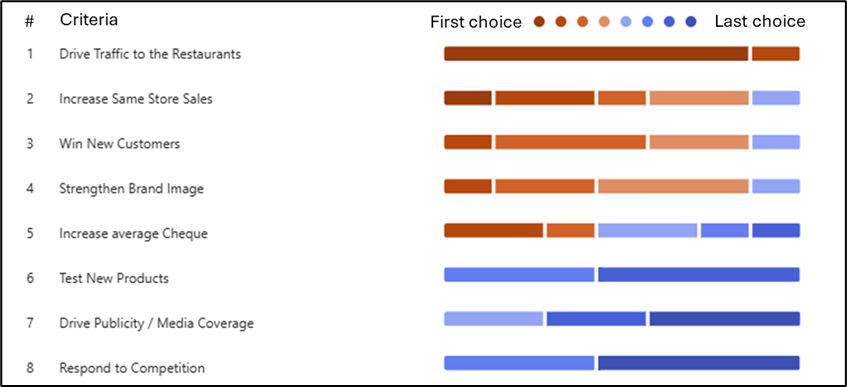
Limited Time Offers (LTOs) are a popular vehicle for delivering innovation to the market. The primary objective of LTOs is to drive traffic into restaurants. At the same time, they play a crucial role in boosting same-store sales, attracting new customers, and strengthening brand image. While around 80–90 percent of sales are generated by the core menu, LTOs typically account for 10–20 percent. LTOs tend to deliver the strongest results at first launch, with diminishing impact in subsequent iterations. Nevertheless, top-performing products are often reintroduced regularly, enabling the brand to capitalize on their proven appeal while still maintaining a sense of novelty. The operational calendar usually includes 5-8 launch windows per year, each lasting a minimum of six weeks.
Hot Topics and Categories
Being successful in innovation also means leveraging trendy themes and popular product categories. Among the hot topics today are chicken, sides as well as snacks and buns, but also sauces to accompany main items and innovate without core product changes. Street food and on-the-go formats remain central consumer trends. Also, plant-based products are considered a standard requirement today and often LTOs include a plant-based version today as the new standard.
Conclusion

The NPD function in quick service restaurants is a balancing act between marketing-driven sales objectives and the structured processes required by innovation and supply chain management. Success depends on the ability to secure flexible and capable suppliers, streamline the approval of new partners, and maintain strong alignment across marketing, innovation, QA, and operations. LTOs play a central role, both as trend-driven innovations and as tools to drive traffic to restaurants. Looking ahead, trends such as street food, chicken, and plant-based alternatives will continue to influence product pipelines, while supplier partnerships must strike the right balance between agility and compliance with quality standards. To be successful, suppliers need strong key account management capabilities to guarantee dedicated attention and swift service.
For more information, please contact me.
About QSR Consult
My mission is to connect capable food suppliers with leading QSR operators to unlock growth opportunities, deliver sustainable value and enable long-term strategic partnerships across the QSR landscape in Europe.
